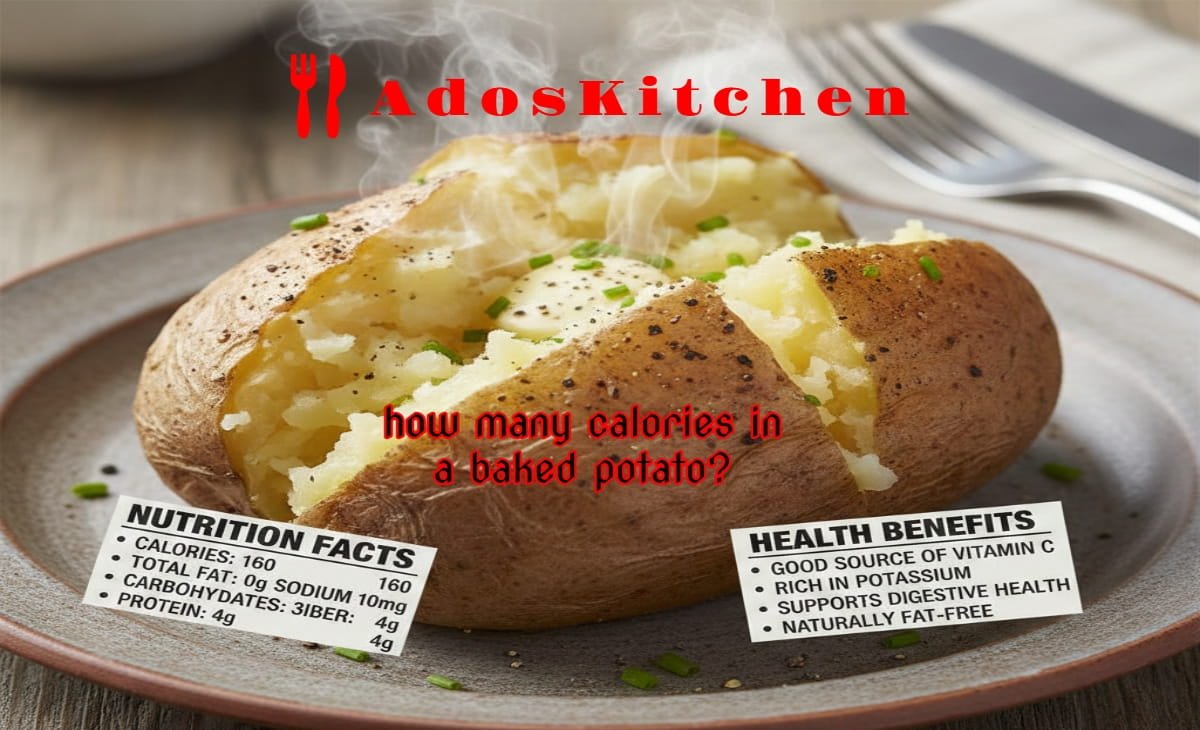
How Many Calories in a Baked Potato? Nutrition, Facts, and Health Benefits
A baked potato is one of the most common comfort foods—but it’s also one of the most misunderstood. Many people assume baked potatoes are high in calories or “empty carbs,” when in reality, a plain baked potato is nutrient-dense, filling, and relatively low in calories. Understanding how many calories are in a baked potato depends on size, preparation, and toppings, but the base food itself is surprisingly balanced.
This guide covers everything you need to know about baked potato calories, nutrition, health benefits, myths, and how toppings affect calorie counts.
Potato Nutrition
Carbohydrates are essential for daily energy, brain function, and physical performance. However, not all carbohydrates provide the same nutritional value. Potatoes are considered a high-quality complex carbohydrate, meaning they deliver energy along with essential vitamins and minerals that support overall health.
A baked potato provides sustained energy, helps regulate appetite, and fuels both mental and physical activity. Unlike refined carbohydrates, potatoes contain fiber, potassium, vitamin C, and plant-based protein—all naturally occurring without added sugar or fat.
How Many Calories Are in a Baked Potato?
A plain baked potato with the skin contains approximately:
Calories in a Baked Potato (Plain, No Toppings)
- 1 medium baked potato (148g / 5.3 oz): ~110 calories
- 1 large baked potato (173g / 6.1 oz): ~160 calories
- 1 extra-large baked potato (299g / 10.5 oz): ~280 calories
These values apply to plain baked potatoes only—no butter, oil, cheese, or sour cream.
Nutrition Facts: One Medium Baked Potato
Serving Size: 1 medium potato (148g / 5.3 oz)
| Nutrient | Amount |
| Calories | 110 |
| Total Fat | 0g (0%) |
| Saturated Fat | 0g (0%) |
| Cholesterol | 0mg (0%) |
| Sodium | 0mg (0%) |
| Total Carbohydrates | 26g (9%) |
| Dietary Fiber | 2g (7%) |
| Total Sugars | 1g |
| Added Sugars | 0g |
| Protein | 3g |
| Vitamin C | 27mg (30%) |
| Potassium | 620mg (15%) |
| Vitamin B6 | 0.2mg (10%) |
| Iron | 1.1mg (6%) |
| Calcium | 20mg (2%) |
| Vitamin D | 0mcg (0%) |
*Percent Daily Values are based on a 2,000-calorie diet.
You May Also like this: Garlic Herb Roasted Potatoes (Crispy Outside, Fluffy Inside)
Potato Nutrition Highlights
Excellent source of vitamin C
Supports immune health, collagen production, and iron absorption.
High in potassium (more than a banana)
Essential for muscle function, hydration, and blood pressure balance.
Good source of vitamin B6
Plays a role in energy metabolism and nervous system health.
Nutrient-dense complex carbohydrates
Provide steady energy without blood sugar spikes when eaten whole.
Fat-free, sodium-free, and cholesterol-free
Naturally heart-friendly when prepared without added fats.
Only 110 calories per medium potato
Low in calories relative to satiety and nutrient content.
Calories in a Baked Potato With Toppings
The calorie count changes significantly depending on toppings:
| Topping | Approx. Added Calories |
| Butter (1 tbsp) | +100 calories |
| Sour cream (2 tbsp) | +60 calories |
| Cheddar cheese (¼ cup) | +110 calories |
| Bacon bits (2 tbsp) | +50 calories |
| Olive oil (1 tbsp) | +120 calories |
| Greek yogurt (2 tbsp) | +30 calories |
| Salsa (¼ cup) | +15 calories |
| Steamed vegetables | +20–40 calories |
➡️ A fully loaded baked potato can range from 300 to 600+ calories, depending on portion size and toppings.
You May Also like this: Russet Potato Calories: Nutrition Facts, Benefits, and What You Should Know
Get the Facts About Potatoes: Debunking Common Myths
Myth: Potatoes are empty calories
Fact: Potatoes provide energy, fiber, vitamin C, potassium, and protein.
Myth: All nutrients are in the skin
Fact: Most potassium and vitamin C are found in the flesh.
Myth: Starchy foods aren’t healthy
Fact: Potatoes are nutrient-dense complex carbohydrates.
Myth: Only fresh potatoes are healthy
Fact: Frozen and dehydrated potatoes also retain nutrients.
Myth: Sweet potatoes are always healthier
Fact: Both white and sweet potatoes are nutrient-dense vegetables.
Carbohydrates in a Baked Potato
A baked potato contains 26 grams of carbohydrates, which provide fuel for muscles and brain function. Carbohydrates are especially important for:
- Physical performance
- Recovery after exercise
- Mental focus and concentration
Potatoes rank among the most energy-efficient vegetables, making them ideal for active lifestyles.
Vitamin C Content
A medium baked potato provides 30% of daily vitamin C needs. Vitamin C:
- Supports immune health
- Helps produce collagen
- Improves iron absorption
Even after baking, potatoes retain significant vitamin C.
Potassium Content
With 620 mg of potassium, a baked potato contains more potassium than a medium banana. Potassium supports:
- Muscle contractions
- Fluid balance
- Heart health
- Blood pressure regulation
Fiber in a Baked Potato
A medium baked potato provides 2 grams of dietary fiber, which helps:
- Improve digestion
- Increase fullness
- Support blood sugar control
Keeping the skin on maximizes fiber intake.
Protein in a Baked Potato
A baked potato contains 3 grams of plant-based protein, contributing to muscle maintenance and satiety. While not a complete protein, it complements other foods well in balanced meals.
Are Baked Potatoes Good for Weight Loss?
Yes—plain baked potatoes can support weight loss when eating mindfully. They are:
- Low in calories
- Highly filling (high satiety index)
- Free of added fat and sugar
The key is portion size and toppings.
Also Read: Healthy Potato Recipes: 5 Nutritious, Low-Calorie Ways to Enjoy Potatoes
Final Thoughts
So, how many calories are in a baked potato?
A plain, medium baked potato contains about 110 calories, making it one of the most filling and nutrient-dense foods for its calorie count. Rich in potassium, vitamin C, fiber, and complex carbohydrates, baked potatoes are far from empty calories.
When prepared without heavy toppings, baked potatoes can be part of a healthy, balanced diet for energy, performance, and overall wellness.
FAQs: How Many Calories in a Baked Potato
1. How many calories are in a plain baked potato?
A medium plain baked potato has about 110 calories.
2. Are baked potatoes healthier than fries?
Yes. Baked potatoes contain significantly fewer calories and fat than fried potatoes.
3. Does the skin add calories?
No. The skin adds fiber and nutrients with minimal calories.
4. Can baked potatoes fit into a low-calorie diet?
Yes, when eaten plain or with light toppings like Greek yogurt or vegetables.
5. Do baked potatoes raise blood sugar?
They have a moderate glycemic index, but fiber and portion control help regulate blood sugar response.