How Many Calories Are in Two Eggs? A Simple Breakdown You Can Trust
Have you ever looked down at your breakfast plate and wondered whether two eggs fit into your daily calorie goals? You’re definitely not alone.
Eggs are a breakfast staple across the world—easy, affordable, and packed with nutrition. But when you start tracking calories for weight loss, muscle gain, or general health, a common question pops up fast:
How many calories are in two eggs?
The answer sounds simple, but there’s more to it than just one number. Egg size, type, and cooking method can all change the final calorie count.
This guide breaks everything down clearly—so you can plan your meals with confidence and zero guesswork.
Calories and Protein in Two Eggs
Understanding the basic nutrition of eggs helps you make smarter choices throughout the day.
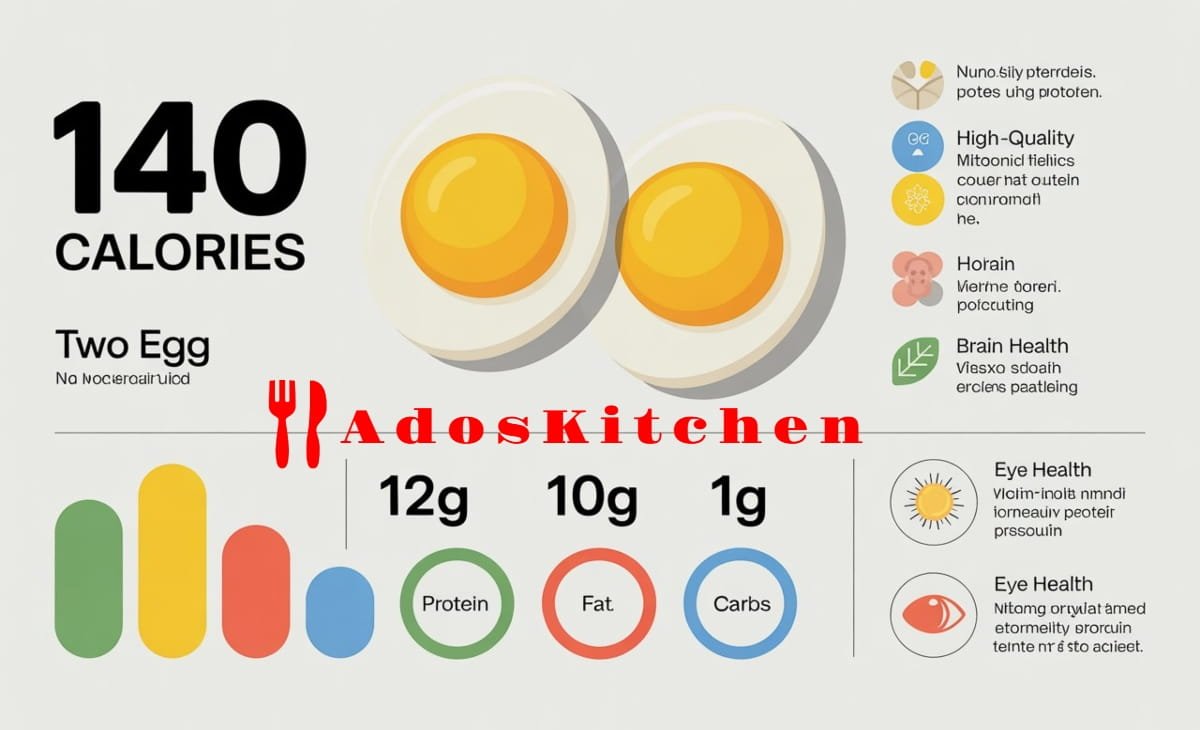
For two large chicken eggs, cooked without added oil or butter (boiled, poached, or dry-scrambled):
- Calories: ~160
- Protein: ~13 grams
Eggs provide complete protein, meaning they contain all nine essential amino acids your body needs for muscle repair, metabolism, and overall health.
Nutrition per Large Egg (Approx.)
- Calories: 77–80
- Protein: 6–6.5 g
- Fat: 5–5.5 g
- Carbohydrates: 0.5 g
- Cholesterol: ~200 mg
Calories by Egg Size
| Egg Size | Calories (1 egg) | Calories (2 eggs) |
| Small | ~54 | ~108 |
| Medium | ~63 | ~126 |
| Large | 77–80 | 154–160 |
| Extra-Large | ~90 | ~180 |
Important note: Frying or scrambling eggs with oil, butter, or cheese can add 40–100 extra calories per egg, depending on the amount and type of fat used.
Why Egg Protein Is So Beneficial
Protein plays a major role in keeping your body strong and satisfied, and eggs deliver it efficiently.
Egg protein:
- Supports muscle growth and repair
- Helps you feel full longer
- Aids metabolism and weight management
Both the egg white and yolk contain protein, though whites are slightly higher per gram. The yolk, however, adds essential nutrients that whites alone don’t provide.
Because eggs have a complete amino acid profile, your body can absorb and use their protein extremely well—making them ideal for active individuals and aging adults alike.
You May Also Like this: Russet Potato Calories: Nutrition Facts, Benefits, and What You Should Know
Calories in Different Types of Eggs
Not all eggs are nutritionally identical. The bird, size, and diet can influence calories and nutrients.
1. Chicken Eggs
The most common and widely available.
- White and brown eggs are nutritionally the same
- Shell color does not affect calories or protein
- Hen diet matters more than shell color
Choose based on availability, price, or ethical preference.
2. Duck Eggs
Duck eggs are larger and richer than chicken eggs.
- Higher calories and fat per egg
- More iron, folate, and vitamin B12
- Creamier texture and stronger flavor
They’re popular in baking but contain more cholesterol, so moderation is key.
3. Quail Eggs
Small but nutrient-dense.
- Higher yolk-to-white ratio
- Rich in iron and micronutrients
- Takes about 3–4 quail eggs to equal one chicken egg in calories
Often considered a specialty food and priced higher.
4. Organic vs Conventional Eggs
Organic eggs may offer:
- Slightly higher omega-3s
- More vitamins and antioxidants
Conventional eggs still provide excellent nutrition at a lower cost. The calorie difference between the two is minimal.
5. Free-Range, Cage-Free, and Pasture-Raised Eggs
These labels describe how hens are raised, not calorie content.
- Calorie and protein numbers stay mostly the same
- Pasture-raised eggs often contain more vitamins
- Omega-3-enriched eggs add healthy fats
Choose based on nutrition priorities and budget.
Egg Whites vs Egg Yolks: Calorie Comparison
Understanding what each part of the egg offers helps you decide how to eat them.
Egg Whites
- ~15–17 calories each
- Fat-free
- High in protein
- Minimal vitamins
Egg Yolks
- ~52–55 calories each
- Contains healthy fats
- Rich in vitamins A, D, E, K, and choline
Skipping yolks lowers calories, but you lose valuable nutrients. For most people, whole eggs provide better overall nutrition than whites alone.
The fats in yolks also help your body absorb fat-soluble vitamins, making eggs more nutritionally complete.
Final Thoughts: Calories in Two Eggs
So, how many calories are in two eggs?
- Two large eggs = about 160 calories
- Protein = around 13 grams
- Calories increase with larger eggs or added fats
Eggs remain one of the most affordable, nutrient-dense protein sources available. Whether your goal is weight loss, muscle building, or balanced eating, two eggs can easily fit into a healthy diet.
For the best nutritional value, enjoy eggs whole, use lighter cooking methods, and pair them with fiber-rich foods like vegetables or whole grains.
Simple, satisfying, and versatile—eggs earn their spot on the plate.