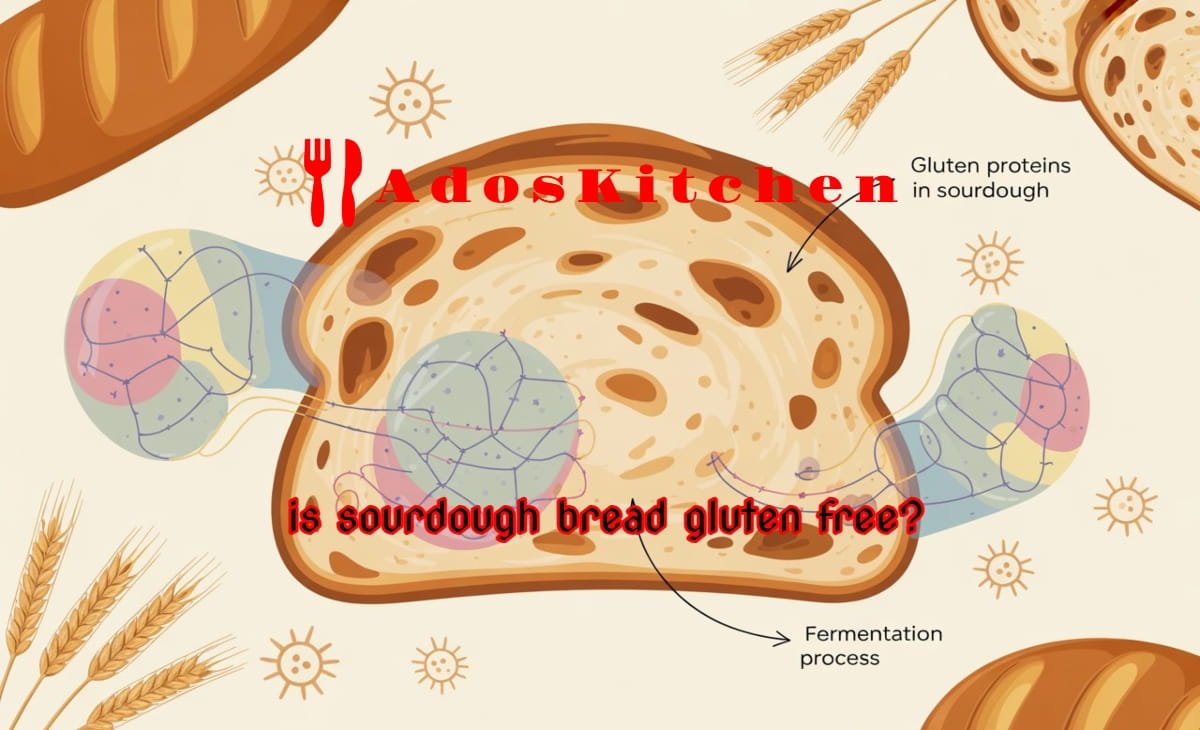
Is Sourdough Bread Gluten Free? The Truth Behind Fermentation & Gluten
Is Sourdough Bread Gluten Free?
With so much nutrition advice floating around online, it can be hard to separate fact from fiction—especially if you have celiac disease or gluten sensitivity. One of the most common claims you’ll see is that sourdough bread is gluten free because fermentation “removes” the gluten.
So, is sourdough bread gluten free?
In most cases, no—it is not.
While it is often easier to digest than regular bread, that does not make it gluten free. Unless it’s made with certified gluten-free flour, sourdough bread still contains gluten and is unsafe for people with celiac disease.
Let’s break down why.
What Is Gluten and Why Does It Matter?
Gluten is a group of proteins found primarily in:
- Wheat
- Barley
- Rye
These proteins give bread its structure and chewy texture. For people with celiac disease, gluten triggers an autoimmune reaction that damages the small intestine. For others with non-celiac gluten sensitivity, gluten can cause symptoms like bloating, fatigue, brain fog, and joint pain.
Gluten is not an essential nutrient, and there’s no health requirement for consuming it. In fact, avoiding gluten is medically necessary for many people.
Does Fermentation Break Down Gluten?
This is where the confusion starts.
What Happens During Sourdough Fermentation?
Sourdough bread is made using a starter of wild yeast and lactic acid bacteria. This mixture ferments the dough over time, breaking down some carbohydrates and proteins—including some gluten.
However, fermentation does not remove gluten completely.
Studies show that:
- Fermentation can reduce gluten levels
- But the remaining gluten is still well above the FDA limit of 20 parts per million (ppm) required for a food to be labeled gluten free
In short:
Reduced gluten ≠ gluten free
Even small amounts of gluten can cause serious intestinal damage for someone with celiac disease.
Can People With Gluten Sensitivity Eat Sourdough?
This depends on the individual—but it’s still risky.
Some people with mild gluten sensitivity report fewer symptoms when eating sourdough compared to conventional bread. This is likely due to:
- Longer fermentation time
- Partial breakdown of gluten
- Improved digestibility
However, symptoms may be delayed or subtle, and intestinal damage can still occur without obvious signs. For anyone with diagnosed celiac disease, traditional sourdough bread should be avoided entirely.
How to Tell If Sourdough Bread Is Truly Gluten Free
Most sourdough bread sold in bakeries and grocery stores is not gluten free.
Sourdough Is NOT Gluten Free If It Contains:
- Wheat flour
- Barley flour
- Rye flour
- Spelt or farro
- Regular all-purpose or bread flour
What to Look For Instead:
- Certified gluten-free labeling
- Gluten-free flours such as:
- Rice flour
- Sorghum
- Buckwheat
- Millet
- A gluten-free sourdough starter
- Clear statements about cross-contamination controls
If it’s made in a shared bakery without strict gluten-free protocols, it may still be unsafe—even if it uses gluten-free ingredients.
Gluten-Free Sourdough vs Traditional Sourdough
| Traditional Sourdough | Gluten-Free Sourdough |
| Made with wheat flour | Made with GF flours |
| Contains gluten | Gluten-free (<20 ppm) |
| Not safe for celiac | Safe if certified |
| Fermentation reduces gluten | No gluten to begin with |
Gluten-free sourdough does exist, but it must be intentionally made with gluten-free ingredients from start to finish.
Final Verdict
Is sourdough bread gluten free?
No—traditional sourdough bread is not gluten free.
While fermentation may reduce gluten levels slightly, it does not eliminate gluten, and sourdough made with wheat flour remains unsafe for anyone with celiac disease.
Only sourdough bread made with certified gluten-free flour and a gluten-free starter is truly gluten free.
When it comes to gluten, don’t rely on internet myths—read labels, verify ingredients, and prioritize your health.