Russet Potato Calories: Nutrition Facts, Benefits, and What You Should Know
Russet potatoes often get labeled as “unhealthy” because they’re high in carbohydrates, especially in low-carb diet conversations. But the truth is far more balanced. When eaten in reasonable portions and prepared the right way, russet potatoes can be a nutritious, affordable, and satisfying food.
They’re rich in energy-giving carbs, naturally low in fat, and packed with essential vitamins and minerals. Understanding russet potato calories and their overall nutrition profile helps you make smarter choices without unnecessarily cutting them out of your diet.
Russet Potato Nutrition Facts
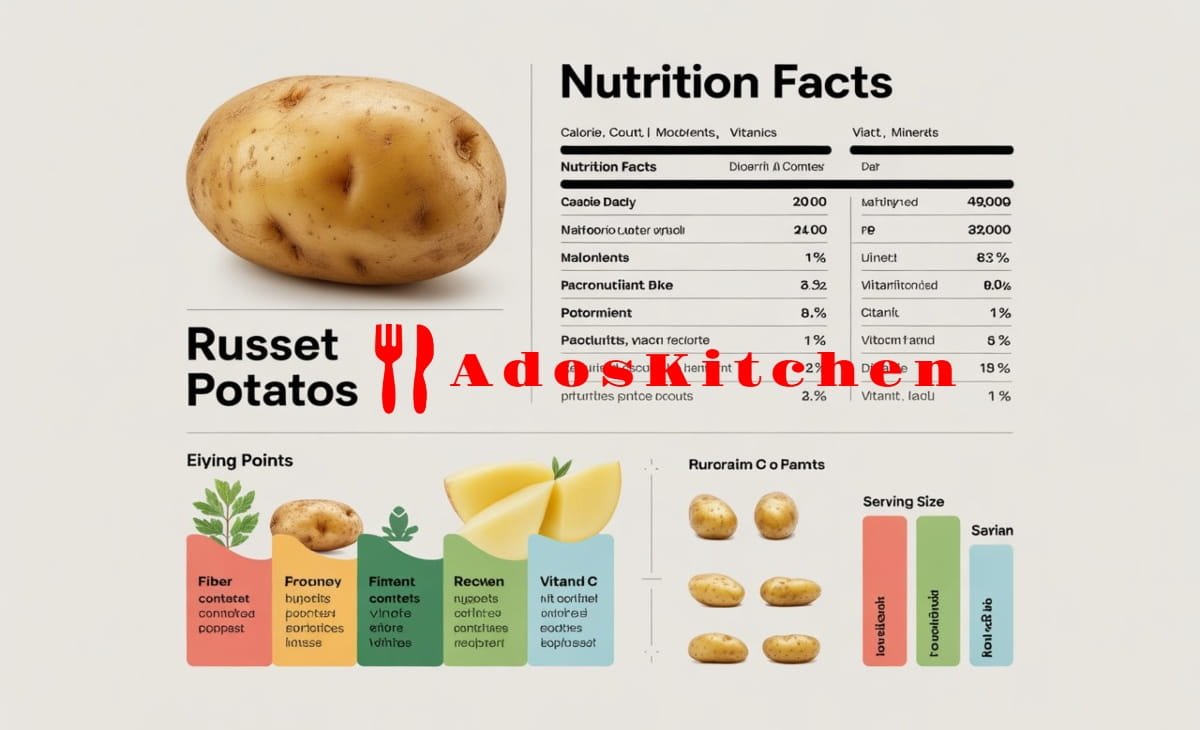
According to USDA data, here is the nutritional breakdown for one medium baked russet potato (about 173 g), with skin, plain:
- Calories: ~164
- Fat: 0.2 g
- Sodium: 24 mg
- Carbohydrates: 37 g
- Fiber: 4 g
- Sugars: 1.9 g
- Protein: 4.6 g
- Vitamin C: 14–15 mg
- Vitamin B6: ~0.6 mg
- Potassium: ~925 mg
Most of the calories in a russet potato come from carbohydrates, making it a strong energy source rather than a fat-heavy food.
Where Russet Potato Calories Come From
Carbohydrates
A medium russet potato contains about 37 grams of carbs, with around 4 grams coming from fiber. The majority of these carbs are starch, which breaks down into glucose during digestion and provides quick energy.
Russet potatoes have a high glycemic index, typically in the 80s, meaning they can raise blood sugar more quickly than some other foods. However, portion size matters. When you look at glycemic load, which considers serving size, a medium potato falls into the moderate range.
Eating russet potatoes with protein, healthy fats, or fiber-rich vegetables helps slow digestion and reduce blood sugar spikes.
Protein
While potatoes aren’t considered a high-protein food, they do provide a small but high-quality amount of protein. The protein in potatoes contains essential amino acids and is easily digestible.
One medium russet potato offers about 4–5 grams of protein, which can contribute meaningfully when combined with other protein sources.
Fat
Russet potatoes are naturally almost fat-free, with less than half a gram of fat per serving. Any significant fat content usually comes from preparation methods like frying or added toppings such as butter, cheese, or sour cream.
You May Also Like: Nutritional Content of Chicken Wings: Calories, Protein, and What You’re Really Eating
Vitamins and Minerals in Russet Potatoes
Russet potatoes are surprisingly nutrient-dense:
- Potassium: Helps regulate blood pressure and muscle function
- Vitamin C: Supports immunity and tissue repair
- Vitamin B6: Important for brain health and metabolism
- Magnesium & Phosphorus: Support bone health and energy production
Eating the potato with the skin on is key, as many micronutrients and fiber are concentrated there.
Health Benefits of Russet Potatoes
Supports Blood Pressure Control
The high potassium content in russet potatoes helps counteract sodium and supports healthy blood pressure levels.
Boosts Immune Function
Vitamin C plays a vital role in immune defense, wound healing, and antioxidant protection.
Promotes Digestive Health
With about 4 grams of fiber, russet potatoes help support digestion, gut health, and fullness.
Provides Antioxidants
Russet potatoes contain antioxidants such as polyphenols and carotenoids, which help combat oxidative stress in the body.
Low in FODMAPs
Potatoes are naturally low in FODMAPs, making them suitable for people with IBS or sensitive digestion.
Are Russet Potato Calories Bad for Weight Loss?
Not inherently. Russet potatoes are calorie-moderate and very filling, which can actually support weight management when portioned properly.
Problems usually arise from:
- Frying (French fries, chips)
- Heavy toppings (butter, cheese, cream sauces)
- Oversized portions
Boiled, baked, or roasted russet potatoes eaten with balanced meals can fit well into weight-loss or maintenance diets.
Potential Concerns
Acrylamide Formation
When russet potatoes are fried or baked at very high temperatures, a compound called acrylamide can form. Boiling, steaming, or roasting at moderate temperatures reduces this risk.
Solanine in Green Potatoes
Avoid eating potatoes that are green or sprouting, as they may contain higher levels of solanine, which can be harmful in large amounts.
Allergies
Potato allergies are rare but possible, especially in people sensitive to birch pollen.
Best Ways to Prepare Russet Potatoes
For the healthiest results:
- Bake or boil with the skin on
- Pair with vegetables, lean protein, and healthy fats
- Use Greek yogurt, olive oil, or avocado instead of heavy toppings
- Add herbs, salsa, or steamed broccoli for flavor without extra calories
Final Thoughts
When it comes to russet potato calories, context matters. A plain russet potato is not unhealthy—it’s a nutrient-rich, filling food that provides energy, fiber, and essential vitamins.
The key lies in portion size and preparation. Enjoyed as part of a balanced meal, russet potatoes can absolutely have a place in a healthy diet without guilt.